
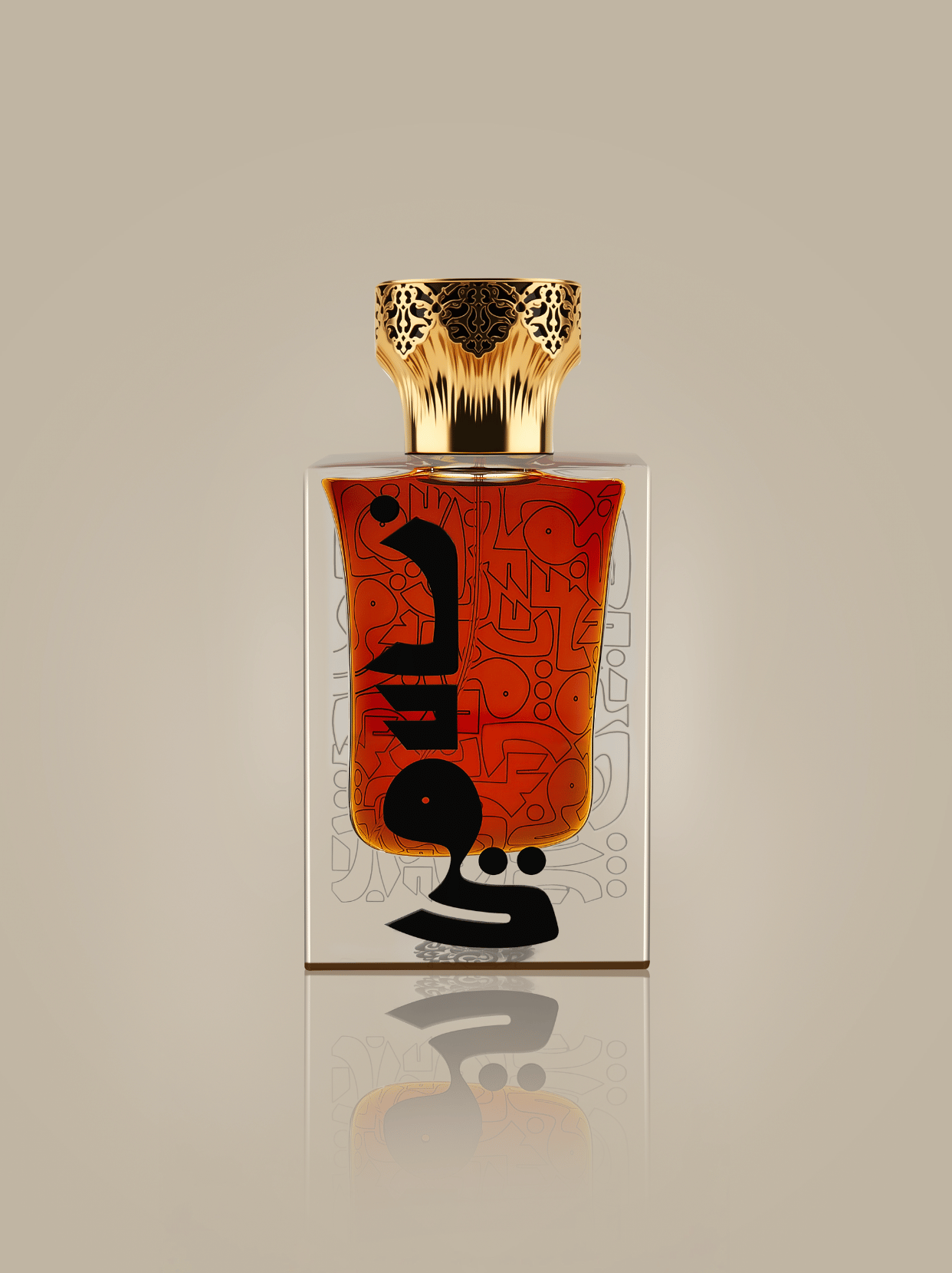
Nisqu
$450.00
Size:30ml
Concentration:Extrait
Ingredients: Oud luban co-distillate , red frankincense , yellow frankincense , rosa rugosa , Chinese jasmine , sandalwood , Mysore sandalwood , pink lotus , bergamot , myrtle , hyssop , patchouli , choya raal , luban , mate , hay , Atlas cedar , tonka bean , civet absolute , saffron , oak moss , black musk , white camphor , white ambergris , lavandin , cinnamon , coriander , cardamom.
Additional Information: Concentration: 30% , Calligraphy: Khatera Naderi & Composition: Hunayn. Engraving: Black , Silver & Gold , applied by hand on front and back of the bottle.
Nisqu is an Akkadian word. It designated aromatics of the highest grade in the administrative records of ancient Mesopotamia: not the rarest , but the most suited to their purpose. Frankincense graded nisq had earned the designation through quality alone.
The composition holds luban and oud as a single co-distilled material , the resin and the wood made inseparable before anything else is added. Red frankincense and yellow frankincense , each from a distinct tree and a distinct growing region , are blended alongside it. Cinnamon , cardamom , coriander , and saffron carry the historical depth. Civet and white ambergris hold the composition against skin. Choya raal , oakmoss , and black musk anchor the base.
The smoke has been removed. What remains is what the smoke was carrying.
Nisqu. The word is Akkadian. In the administrative records of ancient Babylon and Assyria , pressed into clay in cuneiform script , nisq designated aromatic materials of the highest select grade. Not the rarest. The most suited , by quality , to the purpose for which they were chosen.
Frankincense travelled a long way before it reached any Mesopotamian storehouse. Its source , the Boswellia sacra tree , grows in the highlands of Dhofar in Oman and in the valley systems of Yemen. From there , by camel caravan across the Arabian interior and by dhow along the Indian Ocean coastline , the resin moved northward and eastward into the markets of Babylon , Egypt , Persia , and Rome: one of the most consequential commercial networks of the ancient world , active for over two thousand years before Islam. The saffron , cinnamon , cardamom , and oud in this composition moved along the same routes. These materials had been in each other’s company for millennia before this perfume was made.
The compositional question was direct: what does frankincense smell like before it is burned? Combustion is what incense does. The resin , before the flame reaches it , is something else entirely: rounded , living , present without dispersal. The smoke was removed. What remained was what the smoke had been carrying.
The calligrapher Khatera Naderi was asked to work in authentic early Kufic: the script as it existed in the first written Qurans , before the diacritical dots were added for readers who needed annotation , before any concession to later convention. She wrote more than a hundred and fifty sheets by hand before the composition arrived in silence , with her eyes closed. The dotting method she used is drawn from the oldest manuscripts in which marks had only just begun to appear.
Kufic is named for Kufa , a city founded in 638 CE on the western bank of the Euphrates in southern Iraq: the same Mesopotamian ground where the word nisq was pressed into clay a thousand years before Islam. The script and the word share a geography. What the calligrapher was returning to and what the perfumer was returning to are the same thing: the source before the accretions settled.
| Concentration | Extrait |
|---|---|
| Gender | Unisex |
| Brand Segment | |
| Size | 30ml |
Related products
-

Borneo Sunset
$95.00 -
Prayer
$188.00 -
Temple of Infinity
Price range: $188.00 through $298.00 -

Melati Gaharu
$420.00 -
Malik An Nur
$529.00 -

East-Motif Fleuri
$180.00 -
Duty & Death
$315.00 -
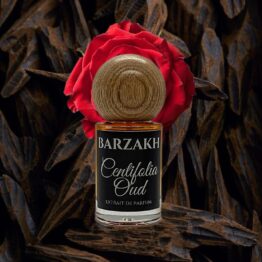
Centifolia Oud
$180.00 -

Dimlight
$100.00 -
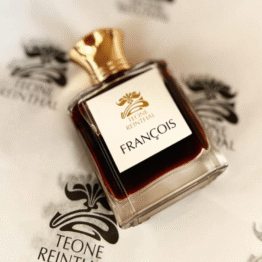
Francois
$268.00
Reviews
There are no reviews yet.